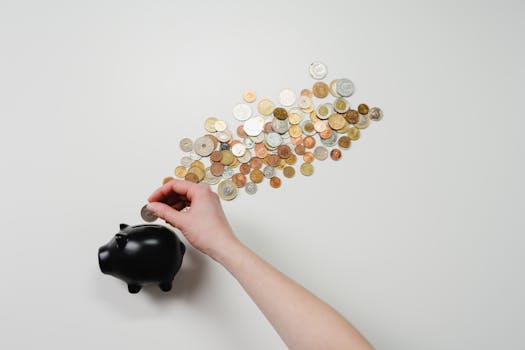
Picture yourself opening your bank app and feeling genuine relief—not anxiety—when you check your balance. That moment isn’t about luck. It’s the result of a simple, consistent emergency savings plan woven into your daily routine.
Most Americans would struggle to pay an unexpected car repair this month. From surprise medical bills to sudden home expenses, emergencies check no calendar. An emergency savings plan gives you shelter against life’s sudden storms.
This guide reveals practical moves, bite-sized rules, and everyday tweaks for building—and actually using—a reliable emergency savings plan. The payoff? Read on and discover how financial peace starts with a single step.
Design a Starter System: Make Saving Automatic, Not Aspirational
All solid habits start with friction so low, you barely notice the change. That’s the secret to creating an emergency savings plan you’ll stick with for years, not weeks.
When setting up your system, think about those daily actions you do on autopilot—like brushing your teeth or checking the weather. The same can go for saving, with the right prompts.
Rule One: Start Small, Build Consistency
Many people stall out by setting unrealistic goals. Instead, automate $10 or $20 a week into a separate savings account. Even $5 works—consistency, not bravado, builds your emergency savings plan.
Imagine you usually spend $1.50 on coffee every morning. Setting that amount to round up into savings each day builds the habit with nearly zero sacrifice or thought.
Select the Right Account: Keep It Out of Sight
An emergency fund should feel slightly out of reach. Open a savings account at a bank you don’t use for everyday purchases—it subtly reduces your urge to dip in for non-emergencies.
Online savings accounts or fee-free credit union options are usually ideal. Don’t connect the account to your main debit card. A “speed bump” before you spend is your friend.
| Account Type | Accessibility | Interest Rate | When to Use |
|---|---|---|---|
| Online-Only Savings | Moderate | High | Emergency savings plan starter, good for most people |
| Credit Union Account | Moderate | Medium | For community-focused or local access |
| Money Market Fund | Moderate | High | Best if you already save regularly |
| Traditional Bank Savings | Easy | Low | When you need instant access, but easier to dip into |
| Hidden Cash Jar | Hard (on purpose) | Zero | For folks motivated by physical money—add a note: ‘Break only in emergencies’ |
Create a Habit Loop: How Triggers Build Saving Momentum
Real change sticks when it latches onto an ordinary routine. Consider pairing savings with payday or another recurring event. That’s how your emergency savings plan grows in the background.
Habit cues aren’t magic—they just lighten the mental load. If your plan is set on autopilot, you’re less likely to “forget” or skip a contribution, even on busy weeks.
Link Saving to Another Action
Set a small transfer each time you receive your paycheck. If you’re paid bi-weekly, have $25 automatically move to savings that day. Treat it like a bill you always pay first.
This pattern reduces “decision fatigue.” For example: every Friday lunch break, pause and check your progress. A standing calendar reminder helps anchor the behavior until it’s second nature.
- Set an auto-transfer for every payday—simple automation grows your balance without reminders or effort.
- Attach saving to an existing habit, such as after reviewing bills or making a grocery list.
- Create a recurring “review and celebrate” moment each month—spot patterns and reward progress, not perfection.
- Use a calendar ping or sticky note in your wallet to cue weekly check-ins on your emergency savings plan.
- Shift micro-windfalls, like a $15 refund or rebate, into your emergency savings plan the day you receive them.
Linking small saving moves to moments you already remember makes sustaining your plan nearly effortless. You’re simply adding a pause and redirect.
Experiment: A 7-Day Saving Kickoff
If you’re hesitant, try this: for one week, each time you spend on a nonessential (coffee, bakery treat, impulse app), match the amount in savings.
By the end, you’ll learn two things: how often you treat yourself, and how simple micro-savings can quickly jumpstart your emergency fund habit.
- Pick a week and record every treat or small splurge—copy the amount into your emergency savings plan daily.
This experiment builds urgency and spotlights how much leaks from ‘fun money’ into cushion money. - Enlist a friend for mini-accountability—check in on progress and compare totals after seven days.
- Share your tally (even just with yourself) to spot easy wins for regular, automatic saving.
- Repeat the experiment next month and see if a pattern sticks.
After one week, you’ll have real numbers to kickstart your savings journey—no guesswork required.
Know Your ‘Why’: Connect Savings to Real Emergencies
A fuzzy target rarely creates momentum. Give your emergency savings plan a purpose by picturing the exact scenario where you’ll need it. This makes prioritizing savings feel grounded, not abstract.
Imagine your washing machine breaks. A line on your calendar with ‘$350 repair’ can spark better habits than a vague aim to ‘save more.’ Concrete emergencies work best.
Scenario Design: Define Your Top 3 Surprises
List the most likely emergencies in your life: a flat tire, an urgent dentist appointment, or a sudden pet illness. Write out a quick cost guestimate for each.
A real example: “If my water heater goes out, I’ll need $650 for replacement that week.” This triggers saving as a preventive action, not passive hope.
- List the last three unexpected expenses you faced—these guide the real world size of your emergency savings plan.
- Estimate the cost to solve each. Be practical, not pessimistic—enough to fix, not to splurge.
- Map your savings goal to these numbers, not a random percentage of your income.
- If the list shifts seasonally (think winter car repairs), add a sticky note with a new target every few months.
- Review the list yearly and update it as your life changes.
Picturing the ‘why’ adds meaningful tension, nudging you to safeguard your plan—even on weeks when motivation sags.
Real-World Dialogue: Stress-Test Your Why
Imagine telling a friend, “I’m saving $400 because last year my kid’s bike was stolen and I had to dip into credit.” That’s concrete and honest, not abstract.
The next time you’re tempted to skip a deposit, remember that personal story. It’s easier to delay a vague goal than an authentic, lived scenario. Anchoring to a real ‘why’ protects your progress.
Resist Lifestyle Inflation: Preserve Growth During Pay Raises
You just landed a modest raise. Before you expand your lifestyle, earmark half—or all—of that bump for your emergency savings plan. Future-you will thank you.
Avoiding lifestyle creep means deciding, in advance, where extra income flows. That small move turns annual raises into permanent safety nets, not new spend traps.
Routine Review: Reset Savings Rate During Annual Checkup
Each January or around your work anniversary, review your automatic transfer amount. If your paycheck went up, increase the savings transfer proportionally. Even tiny bumps add up by year’s end.
Remember: maintaining your current lifestyle (and funneling the gap into your emergency savings plan) quietly advances your security, without extra effort after setup.
Scenario: Save Half, Spend Half Rule
Suppose your salary increases by $80 per month. Commit to saving $40 into your emergency fund, while using the rest for a treat or expense upgrade.
This rule balances progress with enjoyment, so your plan feels rewarding, never restrictive. Copy this habit whenever your income increases or debt payments go down.
Protect Your Fund: Guard Against False Emergencies
It’s easy to rationalize a vacation upgrade or new gadget using your savings buffer. But the core rule for an emergency savings plan: spend only when true emergencies hit.
Classify a real emergency as an urgent, necessary, and unexpected event. Pausing for a quick checklist moment can save you from draining the fund out of habit.
Checklist: Is This a True Emergency?
Run through this micro-check before withdrawing: Is it urgent (cannot wait)? Is it necessary (not discretionary)? Was it unpredictable (not seasonal or recurring)?
If you check all three, green light. If not, reconsider. Train yourself to pause and consult this checklist rather than acting on a whim.
Strengthen Your Speed Bump
Some people add a 24-hour rule: if you’re tempted to spend from the emergency savings plan, wait one full day. Often, initial urgency fades or alternate solutions arise in that breathing room.
You could also choose to keep your emergency fund at a bank that doesn’t provide instant transfers. The little delay works as a cooling-off period.
Renew and Adjust: Refresh Your Plan for New Seasons
Life isn’t static. Kids grow, cars age, health changes—and your emergency savings plan should flex as your situation shifts. Check in every few months to realign your plan with current needs.
Assessment doesn’t have to be difficult. Look at any new risks: maybe you’ve welcomed a pet, moved to a bigger home, or switched jobs. Each shift could tweak your emergency safety target.
Renewal Routine: Schedule Tiny Checkups
Mark your calendar for a quarterly review. Check if your savings rate, account structure, or fund target need a tune-up. Use a simple tracker or even a sticky note by your desk as a reminder.
If you notice your monthly surplus has increased, even by $10, up your transfer accordingly. Small improvements accumulate into a robust emergency fund over time.
Mini-Experiment: The Test-Withdrawal Drill
Each year, test what it takes to access your savings. Attempt a hypothetical $100 withdrawal—how long, what forms or apps, possible fees involved. This helps confirm your setup functions as intended during real stress moments.
Then, reverse it: deposit the $100 right back and record any friction. A smooth, but not too easy, system is your best safeguard.
Small Wins Add Up: Commit to Sustainable Progress
The entire process isn’t about building a fortress overnight. Your emergency savings plan is a series of small wins—momentum that stacks over time, not bursts of heroic effort.
Each auto-transfer, check-in, or resisted splurge is a marker of progress. Stack those moments and you’ll look back in six or twelve months with real, measurable security.
A simple habit loop, a few scheduled reviews, and a clear ‘why’ equip you for whatever curveballs arise. Your peace of mind grows with every steady decision.
Here’s a practical challenge: set up your first automatic savings transfer tonight—no matter how tiny. Or run the ‘match your splurges’ experiment this week. Either step plants the first seed.